
Why WhatsApp Has Become the Most Powerful Business Communication Channel
The way businesses communicate with customers has changed dramatically over the past decade. What was once dominated by phone calls, emails, and face-to-face interactions has evolved into a fast-paced, digital-first environment where customers expect immediate responses and seamless communication experiences.
Today’s consumers live in a world of instant access. They can order products, book services, transfer money, and access information within seconds. As a result, their expectations for business communication have changed as well. Customers no longer want to wait hours for an email reply or spend valuable time navigating lengthy phone menus. They want quick, convenient, and personalized interactions through channels they already use every day.
This shift has forced businesses to rethink how they engage with customers. Traditional communication channels still serve important purposes, but they often struggle to match the speed, accessibility, and engagement that modern consumers expect.
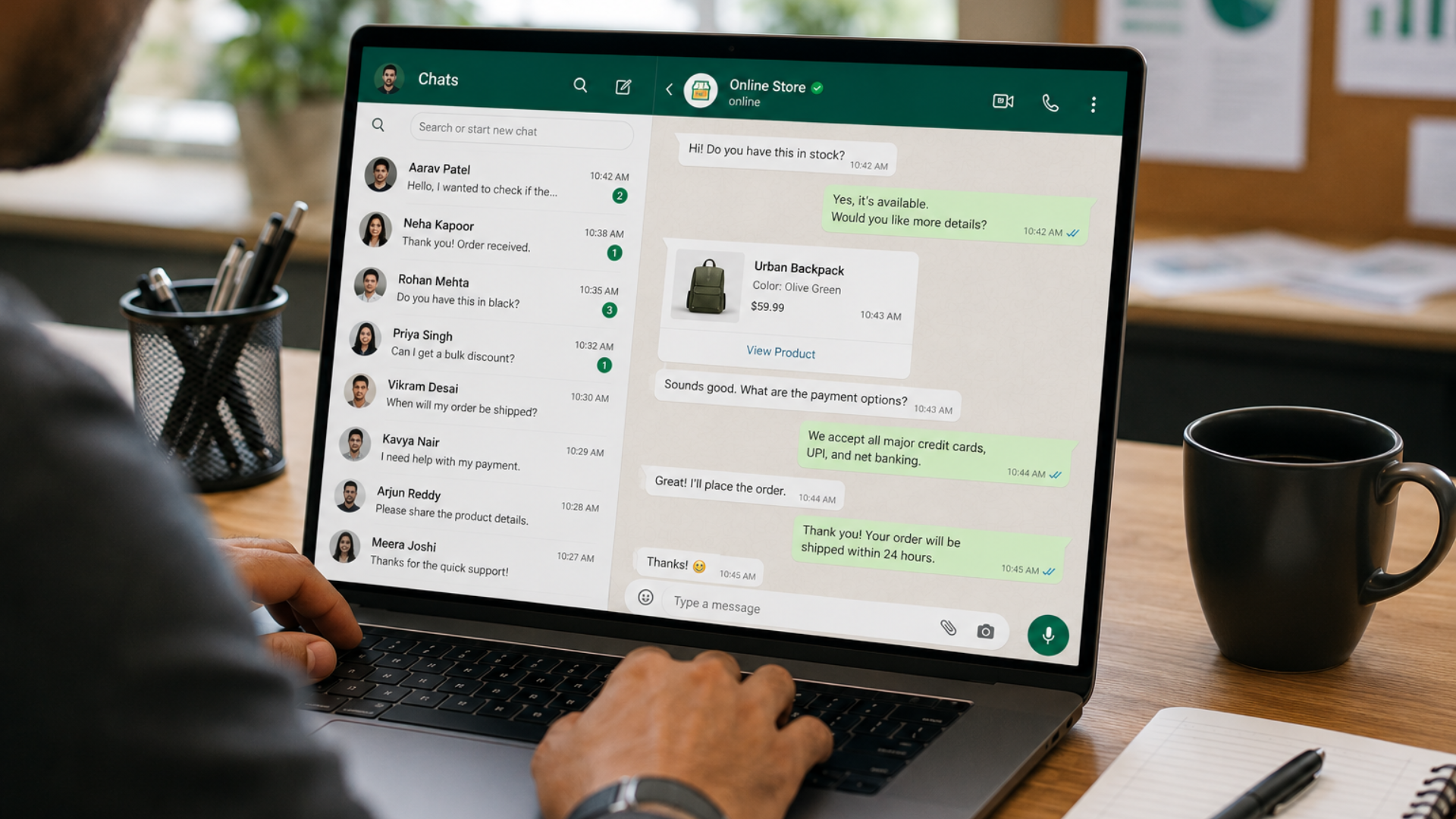
Among all available communication platforms, WhatsApp has emerged as the clear leader. What started as a simple messaging application designed for personal conversations has become one of the most influential business communication channels in the world. Today, businesses use WhatsApp to provide customer support, manage sales conversations, nurture leads, send updates, automate interactions, and build long-term customer relationships.
Its widespread adoption, ease of use, high engagement rates, and growing business capabilities have positioned WhatsApp as far more than just another messaging app. It has become a critical communication tool that helps businesses connect with customers in a way that feels natural, efficient, and highly effective.
The question is no longer whether businesses should use WhatsApp. The real question is why WhatsApp has become such a dominant force in business communication. Understanding the answer helps explain not only the platform’s success but also the future direction of customer engagement itself.
The Evolution of Business Communication
Business communication has always evolved alongside technology. In the past, customer interactions primarily occurred through face-to-face meetings, postal services, and telephone calls. These methods were effective for their time but often involved delays and limited accessibility.
The introduction of email transformed communication by making it possible to exchange information instantly across the globe. Businesses quickly adopted email as their primary communication channel because it was efficient, affordable, and scalable. For many years, email remained the standard for professional communication. However, as digital communication expanded, customer behavior began to change.
Consumers became increasingly dependent on smartphones and mobile applications. Messaging platforms emerged as a preferred method of communication because they offered speed, convenience, and flexibility.
At the same time, email inboxes became overcrowded. Customers were bombarded with newsletters, promotions, notifications, and marketing campaigns. Important messages often became buried beneath dozens of competing communications. People began looking for faster and more direct ways to communicate. Messaging applications filled that gap perfectly.
Businesses soon realized that customers preferred quick conversations over lengthy email exchanges. Instead of forcing customers to adapt to traditional communication channels, organizations started exploring ways to engage customers through platforms they were already using daily. This shift created the perfect opportunity for WhatsApp to become a major business communication channel.
Why Customers Prefer Messaging Over Traditional Communication
Customer preferences are one of the biggest reasons behind WhatsApp’s rise. Modern consumers value convenience above almost everything else. They want communication that fits naturally into their daily routines without requiring additional effort.
When customers need information, they often want answers immediately. Making a phone call may require waiting on hold, speaking with multiple representatives, or finding time during business hours. Email presents a different challenge. While convenient in some situations, it often lacks immediacy. Customers may wait several hours or even days before receiving a response.
Messaging offers a much better experience. A customer can send a message within seconds and continue with their day while waiting for a reply. Conversations remain organized, searchable, and accessible whenever needed. This flexibility has fundamentally changed customer expectations. Consumers now expect businesses to communicate in the same way they communicate with friends and family, through fast, simple, and convenient messaging. WhatsApp delivers exactly that experience.
WhatsApp’s Massive Global Reach
One of WhatsApp’s greatest advantages is its incredible global adoption. The platform is used by billions of people across multiple countries and regions. Unlike many communication tools that require users to learn new systems or create additional accounts, WhatsApp is already deeply integrated into everyday life.
For most users, opening WhatsApp is second nature. This widespread familiarity removes barriers between businesses and customers. Customers do not need to download specialized applications, learn new interfaces, or navigate unfamiliar systems. They can simply start a conversation using a platform they already trust and use regularly.
For businesses, this means they can reach customers through a channel that is already part of their daily habits. The easier it is for customers to communicate, the more likely they are to engage.
Faster Communication Creates Better Customer Experiences
Speed has become one of the most important factors in customer satisfaction. Customers increasingly expect businesses to respond quickly to inquiries, support requests, and service-related questions. Delayed responses can create frustration and negatively impact the overall customer experience.
WhatsApp enables businesses to communicate almost instantly. Customers can receive:
- Product information
- Appointment confirmations
- Order updates
- Shipping notifications
- Service reminders
- Support assistance
within moments. This level of responsiveness creates a stronger sense of trust and reliability. Customers appreciate businesses that value their time, and fast communication demonstrates a commitment to providing excellent service. In many cases, the speed of communication can directly influence purchasing decisions and customer loyalty.
Higher Engagement Than Traditional Channels
One of the biggest challenges businesses face with traditional communication methods is engagement. Emails often go unopened. Promotional messages may be ignored. Important updates can become lost in crowded inboxes.
WhatsApp operates differently. Messages appear directly within a customer’s primary communication environment. People tend to check messaging applications multiple times throughout the day, making WhatsApp one of the most visible communication channels available. This visibility significantly increases the likelihood that messages will be seen and acted upon.
Whether businesses are sending customer updates, promotional offers, appointment reminders, or support responses, WhatsApp helps ensure that communication reaches its intended audience. Higher engagement naturally leads to better communication outcomes and stronger customer relationships.
WhatsApp Creates More Personalized Interactions
Modern customers expect personalized experiences. Generic communication often feels impersonal and ineffective. Customers want businesses to understand their needs and provide relevant information. WhatsApp makes personalization easier because conversations feel natural and conversational.
Businesses can tailor interactions based on:
- Customer preferences
- Purchase history
- Previous conversations
- Behavioral insights
- Service requirements
Instead of sending broad messages to large audiences, businesses can engage customers with information that feels meaningful and relevant. Personalized communication helps build trust, improve customer satisfaction, and strengthen long-term relationships.
WhatsApp vs Email vs Phone Calls
To understand why WhatsApp has become such a powerful communication channel, it is useful to compare it with traditional alternatives.
WhatsApp: WhatsApp offers instant communication, accessibility, convenience, and ongoing conversational engagement. Customers can communicate whenever they choose without disrupting their schedules.
Email: Email remains valuable for formal communication and documentation. However, slower response times and crowded inboxes can limit effectiveness.
Phone Calls: Phone calls provide direct interaction but require both parties to be available at the same time. Many customers also view calls as disruptive for simple inquiries.
While each channel serves a purpose, WhatsApp combines many of the advantages of both email and phone communication while eliminating many of their limitations.
The Rise of Conversational Commerce
The buying process is becoming increasingly conversational. Customers no longer want to navigate complicated websites, fill out lengthy forms, or wait for callbacks before making purchasing decisions. Instead, they prefer engaging directly with businesses through messaging. This shift has led to the growth of conversational commerce.
Through WhatsApp, customers can:
- Ask questions
- Request recommendations
- Compare products
- Receive pricing information
- Schedule consultations
- Complete purchases
all within a single conversation. This creates a smoother and more engaging buying experience while helping businesses improve conversion rates.
How Businesses Are Using WhatsApp to Engage Customers
Businesses today are using WhatsApp for much more than answering customer questions. The platform has evolved into a complete customer engagement channel that supports every stage of the customer journey.
- Customer Support and Assistance: Businesses use WhatsApp to provide fast and convenient support. Customers can reach out whenever they need assistance and receive responses without waiting on hold or navigating complicated support systems.
- Lead Qualification and Sales Conversations: Sales teams use WhatsApp to engage potential customers, answer questions, understand requirements, and guide prospects through the buying process.
- Appointment Scheduling and Confirmations: Organizations use WhatsApp to send appointment reminders, confirmations, and follow-up communications that improve customer experiences and reduce missed appointments.
- Order Updates and Service Notifications: Customers appreciate receiving real-time updates regarding orders, deliveries, bookings, and services. WhatsApp provides an efficient channel for keeping customers informed.
- Customer Feedback Collection: Businesses gather valuable feedback through WhatsApp by encouraging customers to share opinions and experiences through quick and convenient conversations.
- Personalized Marketing: Companies use WhatsApp to share targeted promotions, recommendations, and offers that align with customer interests and preferences.
- Long-Term Relationship Building: Many businesses use WhatsApp to stay connected with customers through educational content, loyalty programs, service reminders, and proactive engagement.
Automation Is Expanding WhatsApp’s Potential
Automation has become one of the most important developments in business communication. As customer interactions increase, managing every conversation manually becomes difficult. WhatsApp automation helps businesses scale communication efficiently by handling repetitive tasks and routine inquiries.
Organizations can automate:
- Frequently asked questions
- Appointment bookings
- Lead qualification
- Customer onboarding
- Order updates
- Follow-up messages
- Support ticket creation
Automation improves responsiveness while allowing human teams to focus on more complex customer needs. This balance between automation and human interaction creates better customer experiences and greater operational efficiency.
WhatsApp as a Powerful Lead Generation Tool
WhatsApp has become far more than a customer support channel. Many businesses now use the platform as a lead generation and sales tool. When potential customers have questions, immediate responses can make a significant difference in conversion rates.
WhatsApp enables businesses to engage leads quickly, provide information, answer objections, and nurture relationships throughout the sales process. Because communication feels personal and conversational, customers are often more comfortable engaging with businesses through WhatsApp than through traditional sales channels.
Omnichannel Communication and WhatsApp’s Role
Customers rarely interact with businesses through a single channel. They may discover a brand through social media, visit its website, send a WhatsApp message, and later communicate through email.
This behavior has increased the importance of omnichannel communication strategies. WhatsApp plays a critical role within these strategies because it often serves as the channel where actual conversations happen. When integrated with CRM systems, marketing platforms, support tools, and automation solutions, WhatsApp helps businesses create a seamless customer experience across multiple touchpoints.
Common Mistakes Businesses Make on WhatsApp
While WhatsApp offers tremendous opportunities, businesses must use it effectively. Common mistakes include:
- Sending Excessive Messages: Too many messages can overwhelm customers and reduce engagement.
- Slow Response Times: Customers expect quick replies. Delays can negatively impact trust and satisfaction.
- Generic Communication: Personalized conversations are far more effective than broad, one-size-fits-all messaging.
- Over-Reliance on Automation: Automation should support customer interactions, not completely replace human communication.
- Poor Conversation Management: Without proper systems and processes, managing large volumes of conversations can become difficult.
Avoiding these mistakes helps businesses maximize the value of WhatsApp communication.
The Future of AI-Powered Business Communication
Artificial intelligence is reshaping how businesses interact with customers. AI-powered solutions are making WhatsApp even more powerful by enabling businesses to:
- Deliver instant responses
- Personalize customer interactions
- Analyze customer behavior
- Improve lead qualification
- Automate repetitive processes
- Scale communication efficiently
As AI technology continues to evolve, businesses will be able to provide smarter, faster, and more personalized customer experiences. The combination of AI and WhatsApp represents one of the most significant developments in modern customer communication.
Why Platforms Like ihakimi Are Becoming Essential
As WhatsApp communication grows, businesses require tools that help them manage conversations effectively. Handling customer interactions manually across multiple team members and devices becomes increasingly challenging as communication volumes increase.
Platforms like ihakimi help businesses centralize conversations, automate workflows, distribute leads intelligently, monitor team performance, and create more efficient communication processes. By combining WhatsApp with automation, AI capabilities, CRM integrations, and collaborative tools, businesses can scale customer engagement while maintaining high service quality.
Wrapping It Up
WhatsApp’s rise as the most powerful business communication channel is not the result of a passing trend. It is the result of changing customer expectations and evolving communication habits. Customers want communication that is fast, convenient, accessible, and personalized. Businesses need channels that allow them to engage customers effectively while maintaining efficiency and scalability.
WhatsApp successfully meets both needs. Its global reach, high engagement levels, conversational nature, automation capabilities, and growing integration ecosystem have transformed it from a personal messaging application into a critical business communication platform.
As digital communication continues to evolve and AI-powered technologies become more advanced, WhatsApp’s influence will only continue to grow. Businesses that embrace this shift are positioning themselves to deliver better customer experiences, build stronger relationships, improve operational efficiency, and achieve long-term success in an increasingly connected world.