
What Is Conversational AI and Why It Matters for Businesses

The Moment Businesses Realized Customers No Longer Want to Wait

A few years ago, people were comfortable waiting. Waiting for a customer support email. Waiting for someone to pick up the phone. Waiting for a reply on social media. Waiting for a business to get back soon.

That world is disappearing fast. Today, customers expect answers instantly. If someone visits your website at 2:13 AM, they still expect help. If a customer messages your business on Instagram, they expect a reply in minutes, not tomorrow morning. If someone wants to know pricing, product availability, refund policies, delivery timelines, or appointment details, they do not want to fill out a form and wait three business days.

They want a conversation. And this shift is exactly why conversational AI has become one of the most important technologies in modern business. But despite hearing the term everywhere, many business owners still do not fully understand what conversational AI actually is.

  • Some think it is just chatbots.
  • Some think it is only for large companies.
  • Some believe it removes human interaction.
  • Others assume it is too technical or expensive.

The reality is very different.

Conversational AI is not replacing businesses. It is helping businesses communicate faster, smarter, and more personally at scale. And companies that understand this early are already building stronger customer relationships, improving sales, reducing support costs, and creating experiences customers genuinely enjoy. So let us break it down properly.

Not with robotic explanations. Not with overly technical definitions. But in a way that actually makes sense for real businesses.

So, What Exactly Is Conversational AI?

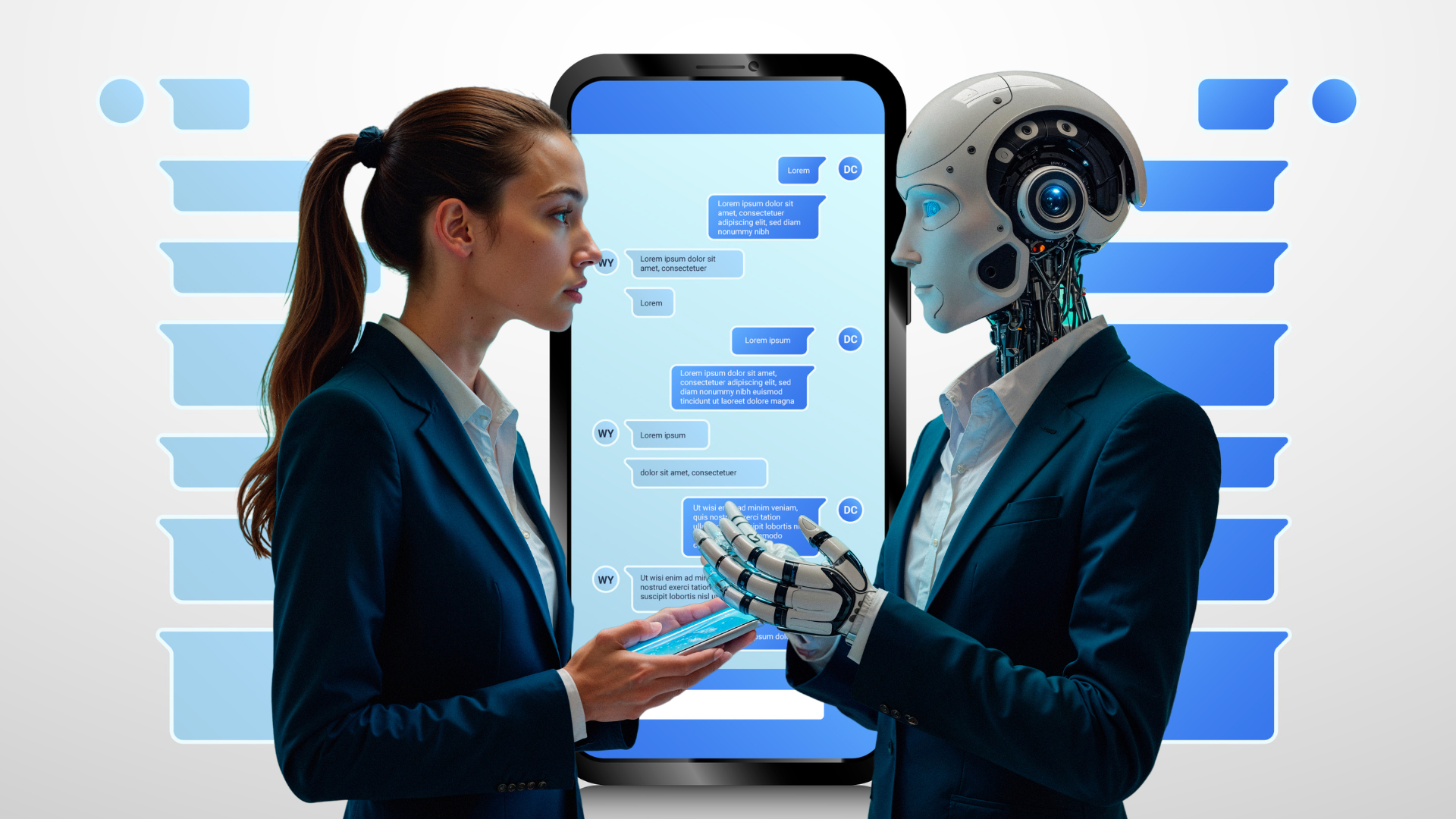
Conversational AI is technology that allows computers to interact with humans naturally through conversation. That conversation can happen through:

  • Chatbots on websites
  • WhatsApp business automation
  • AI voice assistants
  • Instagram and Facebook DMs
  • Customer support systems
  • AI phone calls
  • Voice search
  • Mobile apps
  • Smart assistants like Siri or Alexa

The goal is simple. Instead of forcing customers to learn systems, conversational AI allows systems to communicate the way humans naturally do. Think about how people behave online today. Nobody wants to search through ten pages to find an answer anymore.

People would rather ask:

  • Do you deliver in my city?
  • Which package is best for beginners?
  • Can I book for tomorrow?
  • What is your pricing?
  • Do you have this in black?

Conversational AI makes it possible for businesses to answer these questions instantly. And not just with scripted responses. Modern conversational AI understands context, intent, customer behavior, and natural language. That is the big difference. Older bots felt robotic because they only worked with exact commands.

For example:

Type pricing”→ get pricing.
Anything else → Sorry, I did not understand.

But modern AI systems understand variations.

A customer could say:

  • How much does it cost?
  • What are your charges?
  • Can you share pricing?
  • What plans do you offer?

And the AI understands they are all asking the same thing. That is where conversational AI becomes powerful. It creates interactions that feel smoother, faster, and more human.

Conversational AI Is Becoming Essential for Modern Businesses

Businesses are no longer competing only on product quality. They are competing on experience. Two companies may sell similar products. But the company that replies faster, communicates better, guides customers smoothly, and stays available consistently often wins.

Let us look at a real-life scenario. Imagine you own a clothing brand. A customer visits your website late at night. They like a jacket but are unsure about sizing.
They have one simple question: Does this fit oversized or regular?

Now imagine two situations.

Business A

The customer sends a message. No reply. The business responds 14 hours later. By then, the customer already purchased from another brand.

Business B

The customer asks the question. An AI assistant replies instantly: This jacket has a relaxed oversized fit. If you prefer a regular fit, we recommend sizing down by one.

The customer buys immediately. That is conversational AI affecting revenue in real time.

The Biggest Misunderstanding About Conversational AI

Many people think conversational AI is only about automation. It is not. The real value is accessibility. Customers do not want barriers anymore.

They do not want:

  • Complicated navigation
  • Endless forms
  • Waiting periods
  • Call transfers
  • Confusing support systems

They want clarity. They want speed. They want interaction.

Conversational AI removes friction. And friction is one of the biggest reasons businesses lose customers. Sometimes customers are ready to buy. They just cannot find answers quickly enough. That delay kills momentum. AI helps businesses keep conversations moving.

Conversational AI Is Changing Sales, Not Just Support

This is where things become really interesting. Most people associate AI with customer support. But some of the smartest businesses are using conversational AI for sales growth.

Imagine someone lands on your website. Normally, websites are passive. The visitor browses. Maybe they stay. Maybe they leave. But conversational AI changes the website into an active experience. Instead of waiting silently, the business can interact.

For example:

  • Looking for the best package for your business?
  • Need help choosing the right product?
  • Want a quick recommendation based on your budget?

Now the website behaves more like a salesperson. And good salespeople ask questions. That is exactly what conversational AI can do.

It can:

  • Understand customer intent
  • Recommend products
  • Qualify leads
  • Book appointments
  • Handle FAQs
  • Recover abandoned carts
  • Follow up automatically
  • Personalize suggestions
  • Guide customers toward purchasing decisions

All while being available 24/7. That availability matters more than many businesses realize. Because customers do not operate on business hours anymore.

The Psychology Behind Why Conversational AI Works

One of the main reasons conversational AI works so effectively is because human beings naturally respond better to conversations than to complicated systems or rigid processes. Conversations feel intuitive and effortless. Asking a question and receiving an immediate answer requires far less mental effort than searching through multiple pages, reading long instructions, or navigating confusing interfaces.

This behavioral shift can already be seen in the popularity of messaging platforms and instant communication tools. People today prefer sending quick messages instead of writing formal emails or waiting on long support calls. Businesses that adapt to these communication habits are often able to build stronger engagement because they are interacting with customers in ways that already feel familiar and convenient.

Conversational AI aligns perfectly with this change in behavior. Instead of making customers adapt to business systems, businesses can now adapt their communication style to how customers naturally interact online. This creates experiences that feel smoother, more personal, and significantly less frustrating.

The psychological impact of this convenience is more powerful than many companies realize. When interactions feel easy and responsive, customers are more likely to trust the business, continue the conversation, and eventually make purchasing decisions. Small improvements in communication quality can directly influence customer satisfaction, retention, and conversion rates.

That is why conversational AI is not simply a technology trend. It represents a broader shift toward more human-centered digital experiences where communication becomes faster, simpler, and more accessible for everyone involved.

Small Businesses Think AI Is Only for Big Brands

This is another major misconception. In fact, conversational AI may help small businesses even more. Large companies already have teams. They have dedicated support departments. They have bigger operational systems. Small businesses often do not.

A founder may handle:

  • Sales
  • Customer support
  • Marketing
  • Operations
  • Follow-ups
  • Social media

All at the same time. That creates communication gaps.

  • Customers message.
  • Replies get delayed.
  • Leads go cold.
  • Opportunities disappear.

Conversational AI acts like an extra team member. Not because it replaces humans. But because it handles repetitive interactions efficiently. This gives business owners more time to focus on growth.

The Ecommerce Industry Is Being Transformed by Conversational AI

Ecommerce brands are some of the biggest adopters of conversational AI. Because online shopping creates many customer questions.

Customers ask about:

  • Shipping
  • Returns
  • Sizing
  • Product recommendations
  • Availability
  • Payment options
  • Discounts
  • Delivery timelines

If these questions are not answered quickly, customers abandon purchases.

Now imagine an AI assistant helping throughout the journey. A customer says: I need running shoes under ₹5000. The AI recommends options instantly. Then: Do you prefer lightweight shoes or extra cushioning? Now the experience becomes interactive. Almost like shopping with an in-store assistant. That experience increases engagement. And engaged customers buy more often.

The Rise of Voice AI

Text-based AI is only part of the story. Voice AI is growing rapidly too. Businesses are starting to use AI phone systems that sound increasingly natural.

Imagine calling a business and instead of: Press 1 for support.

You simply say: I want to reschedule my appointment.

And the system understands naturally. That shift makes customer experiences smoother. Especially for businesses handling large call volumes. Voice AI is becoming more intelligent every year. And many industries are already adopting it.

Common Fears Businesses Have About Conversational AI

Let us address a few,

Will AI make conversations feel robotic?

Only if implemented badly. Poorly designed systems frustrate customers. Good conversational AI feels smooth, helpful, and natural. The difference is in how businesses design experiences.

Is conversational AI expensive?

Not anymore. The cost of AI tools has dropped significantly. Many platforms now offer affordable solutions for small businesses. And when businesses calculate:

  • Time saved
  • Leads captured
  • Faster response rates
  • Increased conversions
  • Reduced support workload

The return on investment often becomes clear.

Will AI replace employees?

In most cases, AI changes workflows rather than replacing entire teams. Usually, it removes repetitive tasks. That allows employees to focus on more meaningful work. Businesses still need human creativity, emotional intelligence, decision-making, and relationship-building.

Do customers really like AI?

Customers like good experiences. They do not care whether the response comes from AI or humans if the interaction is fast, useful, and smooth. Bad experiences frustrate customers. Good experiences build loyalty. That is the real focus.

The Future of Conversational AI

The future is not just about smarter bots. It is about businesses becoming more conversational overall. Websites will become interactive. Search will become conversational. Shopping will become conversational. Customer support will become conversational. Sales journeys will become conversational.

Instead of navigating systems, customers will increasingly interact naturally. That changes how businesses operate. And we are still early. AI systems are improving rapidly. They are becoming:

  • More personalized
  • More context-aware
  • More multilingual
  • More emotionally intelligent
  • Better at understanding intent

The businesses learning how to use these tools effectively today will likely have stronger communication systems tomorrow.

One Important Thing Businesses Should Remember

Technology alone is not the advantage. Strategy is. A poorly designed AI system can frustrate customers badly. Businesses should focus on:

  • Clear communication
  • Human-centered experiences
  • Helpful interactions
  • Fast problem solving
  • Personalization

AI should support customer experience. Not complicate it. The goal is not to sound futuristic. The goal is to make business interactions easier.

The Bigger Shift Businesses Need to Understand

One of the biggest mistakes companies make while discussing conversational AI is treating it as just another business tool or automation trend. In reality, conversational AI reflects a much larger shift in how people interact with technology itself. Customers are gradually moving away from traditional digital experiences where they had to manually search, navigate, compare, and figure everything out on their own. Instead, people increasingly expect technology to respond, guide, assist, and communicate naturally.

This shift is already visible everywhere. Search engines are becoming more conversational. Shopping experiences are becoming more personalized. Customer support is becoming more interactive. Even the way people consume information online is changing because audiences now prefer quick, contextual, and human-like interactions over static systems.

That is why conversational AI matters beyond industries and business use cases alone. It is fundamentally changing the relationship between businesses and customers. Communication is no longer just a support function sitting quietly in the background. It is becoming a central part of brand perception, customer trust, and digital experience.

A business may have excellent products, strong branding, and impressive marketing campaigns, but poor communication can still damage the entire customer journey. Customers remember how businesses respond when they have questions, confusion, concerns, or purchase intent. If communication feels slow, disconnected, or frustrating, customers often leave even if the product itself is good.

Conversational AI attempts to solve this growing communication gap by making interactions feel more immediate, responsive, and accessible. However, the technology itself is not the real advantage. The real advantage comes from how businesses use it.

Some companies implement AI purely for cost-cutting purposes and end up creating robotic experiences that frustrate customers. Others use conversational AI thoughtfully by combining automation with empathy, personalization, and genuine customer support. Those businesses often create stronger relationships because the technology supports the experience instead of replacing it.

Another important thing businesses should understand is that conversational AI is not simply about answering questions faster. It is also about understanding customer behavior more deeply. Every conversation reveals something valuable about customer expectations, buying intent, confusion points, frustrations, and decision-making patterns. Businesses that listen carefully through these interactions can improve not only customer support, but also products, marketing strategies, sales systems, and overall customer experience.

This is why conversational AI is becoming increasingly important in modern business discussions. The conversation is no longer only about automation. It is about accessibility, communication quality, customer psychology, personalization, and the future of digital interaction itself. Companies that understand this early are likely to build stronger customer relationships because they are adapting to how people actually prefer to communicate today.

Wrapping It Up

Conversational AI is often misunderstood as a futuristic trend filled with complicated technology, but its real significance is much more human than technical. At its core, conversational AI exists because modern customers expect businesses to communicate differently than they did in the past. People want faster answers, simpler experiences, smoother interactions, and communication that feels natural instead of frustrating.

The businesses benefiting most from conversational AI are usually not the ones trying to appear the most technologically advanced. They are the businesses using communication intelligently to remove friction from the customer journey. Whether it is helping customers discover products more easily, answering questions instantly, guiding purchasing decisions, simplifying bookings, or improving customer support, conversational AI ultimately succeeds when it makes experiences feel easier for people.

At the same time, businesses must remember that technology alone is never enough. Customers still value empathy, trust, clarity, and human connection. The most effective conversational AI systems are the ones that support human interaction rather than eliminate it completely.

As digital experiences continue evolving, communication will become one of the most important competitive advantages in business. Companies that respond faster, guide customers better, and create smoother interactions will naturally build stronger relationships and higher customer loyalty over time.

That is exactly why conversational AI matters today. It is not simply changing customer support systems or automating repetitive tasks. It is changing how businesses communicate, how customers experience brands, and how digital relationships are built in the modern world.

ihakimi helps businesses understand and implement modern digital systems, AI-driven communication, branding, and scalable growth strategies for the evolving global market. As technology changes customer behavior rapidly, businesses that adapt intelligently will lead the next generation of growth.

The Moment Businesses Realized Customers No Longer Want to Wait

A few years ago, people were comfortable waiting. Waiting for a customer support email. Waiting for someone to pick up the phone. Waiting for a reply on social media. Waiting for a business to get back soon.

That world is disappearing fast. Today, customers expect answers instantly. If someone visits your website at 2:13 AM, they still expect help. If a customer messages your business on Instagram, they expect a reply in minutes, not tomorrow morning. If someone wants to know pricing, product availability, refund policies, delivery timelines, or appointment details, they do not want to fill out a form and wait three business days.

They want a conversation. And this shift is exactly why conversational AI has become one of the most important technologies in modern business. But despite hearing the term everywhere, many business owners still do not fully understand what conversational AI actually is.

  • Some think it is just chatbots.
  • Some think it is only for large companies.
  • Some believe it removes human interaction.
  • Others assume it is too technical or expensive.

The reality is very different.

Conversational AI is not replacing businesses. It is helping businesses communicate faster, smarter, and more personally at scale. And companies that understand this early are already building stronger customer relationships, improving sales, reducing support costs, and creating experiences customers genuinely enjoy. So let us break it down properly.

Not with robotic explanations. Not with overly technical definitions. But in a way that actually makes sense for real businesses.

So, What Exactly Is Conversational AI?

Conversational AI is technology that allows computers to interact with humans naturally through conversation. That conversation can happen through:

  • Chatbots on websites
  • WhatsApp business automation
  • AI voice assistants
  • Instagram and Facebook DMs
  • Customer support systems
  • AI phone calls
  • Voice search
  • Mobile apps
  • Smart assistants like Siri or Alexa

The goal is simple. Instead of forcing customers to learn systems, conversational AI allows systems to communicate the way humans naturally do. Think about how people behave online today. Nobody wants to search through ten pages to find an answer anymore.

People would rather ask:

  • Do you deliver in my city?
  • Which package is best for beginners?
  • Can I book for tomorrow?
  • What is your pricing?
  • Do you have this in black?

Conversational AI makes it possible for businesses to answer these questions instantly. And not just with scripted responses. Modern conversational AI understands context, intent, customer behavior, and natural language. That is the big difference. Older bots felt robotic because they only worked with exact commands.

For example:

Type pricing”→ get pricing.
Anything else → Sorry, I did not understand.

But modern AI systems understand variations.

A customer could say:

  • How much does it cost?
  • What are your charges?
  • Can you share pricing?
  • What plans do you offer?

And the AI understands they are all asking the same thing. That is where conversational AI becomes powerful. It creates interactions that feel smoother, faster, and more human.

Conversational AI Is Becoming Essential for Modern Businesses

Businesses are no longer competing only on product quality. They are competing on experience. Two companies may sell similar products. But the company that replies faster, communicates better, guides customers smoothly, and stays available consistently often wins.

Let us look at a real-life scenario. Imagine you own a clothing brand. A customer visits your website late at night. They like a jacket but are unsure about sizing.
They have one simple question: Does this fit oversized or regular?

Now imagine two situations.

Business A

The customer sends a message. No reply. The business responds 14 hours later. By then, the customer already purchased from another brand.

Business B

The customer asks the question. An AI assistant replies instantly: This jacket has a relaxed oversized fit. If you prefer a regular fit, we recommend sizing down by one.

The customer buys immediately. That is conversational AI affecting revenue in real time.

The Biggest Misunderstanding About Conversational AI

Many people think conversational AI is only about automation. It is not. The real value is accessibility. Customers do not want barriers anymore.

They do not want:

  • Complicated navigation
  • Endless forms
  • Waiting periods
  • Call transfers
  • Confusing support systems

They want clarity. They want speed. They want interaction.

Conversational AI removes friction. And friction is one of the biggest reasons businesses lose customers. Sometimes customers are ready to buy. They just cannot find answers quickly enough. That delay kills momentum. AI helps businesses keep conversations moving.

Conversational AI Is Changing Sales, Not Just Support

This is where things become really interesting. Most people associate AI with customer support. But some of the smartest businesses are using conversational AI for sales growth.

Imagine someone lands on your website. Normally, websites are passive. The visitor browses. Maybe they stay. Maybe they leave. But conversational AI changes the website into an active experience. Instead of waiting silently, the business can interact.

For example:

  • Looking for the best package for your business?
  • Need help choosing the right product?
  • Want a quick recommendation based on your budget?

Now the website behaves more like a salesperson. And good salespeople ask questions. That is exactly what conversational AI can do.

It can:

  • Understand customer intent
  • Recommend products
  • Qualify leads
  • Book appointments
  • Handle FAQs
  • Recover abandoned carts
  • Follow up automatically
  • Personalize suggestions
  • Guide customers toward purchasing decisions

All while being available 24/7. That availability matters more than many businesses realize. Because customers do not operate on business hours anymore.

The Psychology Behind Why Conversational AI Works

One of the main reasons conversational AI works so effectively is because human beings naturally respond better to conversations than to complicated systems or rigid processes. Conversations feel intuitive and effortless. Asking a question and receiving an immediate answer requires far less mental effort than searching through multiple pages, reading long instructions, or navigating confusing interfaces.

This behavioral shift can already be seen in the popularity of messaging platforms and instant communication tools. People today prefer sending quick messages instead of writing formal emails or waiting on long support calls. Businesses that adapt to these communication habits are often able to build stronger engagement because they are interacting with customers in ways that already feel familiar and convenient.

Conversational AI aligns perfectly with this change in behavior. Instead of making customers adapt to business systems, businesses can now adapt their communication style to how customers naturally interact online. This creates experiences that feel smoother, more personal, and significantly less frustrating.

The psychological impact of this convenience is more powerful than many companies realize. When interactions feel easy and responsive, customers are more likely to trust the business, continue the conversation, and eventually make purchasing decisions. Small improvements in communication quality can directly influence customer satisfaction, retention, and conversion rates.

That is why conversational AI is not simply a technology trend. It represents a broader shift toward more human-centered digital experiences where communication becomes faster, simpler, and more accessible for everyone involved.

Small Businesses Think AI Is Only for Big Brands

This is another major misconception. In fact, conversational AI may help small businesses even more. Large companies already have teams. They have dedicated support departments. They have bigger operational systems. Small businesses often do not.

A founder may handle:

  • Sales
  • Customer support
  • Marketing
  • Operations
  • Follow-ups
  • Social media

All at the same time. That creates communication gaps.

  • Customers message.
  • Replies get delayed.
  • Leads go cold.
  • Opportunities disappear.

Conversational AI acts like an extra team member. Not because it replaces humans. But because it handles repetitive interactions efficiently. This gives business owners more time to focus on growth.

The Ecommerce Industry Is Being Transformed by Conversational AI

Ecommerce brands are some of the biggest adopters of conversational AI. Because online shopping creates many customer questions.

Customers ask about:

  • Shipping
  • Returns
  • Sizing
  • Product recommendations
  • Availability
  • Payment options
  • Discounts
  • Delivery timelines

If these questions are not answered quickly, customers abandon purchases.

Now imagine an AI assistant helping throughout the journey. A customer says: I need running shoes under ₹5000. The AI recommends options instantly. Then: Do you prefer lightweight shoes or extra cushioning? Now the experience becomes interactive. Almost like shopping with an in-store assistant. That experience increases engagement. And engaged customers buy more often.

The Rise of Voice AI

Text-based AI is only part of the story. Voice AI is growing rapidly too. Businesses are starting to use AI phone systems that sound increasingly natural.

Imagine calling a business and instead of: Press 1 for support.

You simply say: I want to reschedule my appointment.

And the system understands naturally. That shift makes customer experiences smoother. Especially for businesses handling large call volumes. Voice AI is becoming more intelligent every year. And many industries are already adopting it.

Common Fears Businesses Have About Conversational AI

Let us address a few,

Will AI make conversations feel robotic?

Only if implemented badly. Poorly designed systems frustrate customers. Good conversational AI feels smooth, helpful, and natural. The difference is in how businesses design experiences.

Is conversational AI expensive?

Not anymore. The cost of AI tools has dropped significantly. Many platforms now offer affordable solutions for small businesses. And when businesses calculate:

  • Time saved
  • Leads captured
  • Faster response rates
  • Increased conversions
  • Reduced support workload

The return on investment often becomes clear.

Will AI replace employees?

In most cases, AI changes workflows rather than replacing entire teams. Usually, it removes repetitive tasks. That allows employees to focus on more meaningful work. Businesses still need human creativity, emotional intelligence, decision-making, and relationship-building.

Do customers really like AI?

Customers like good experiences. They do not care whether the response comes from AI or humans if the interaction is fast, useful, and smooth. Bad experiences frustrate customers. Good experiences build loyalty. That is the real focus.

The Future of Conversational AI

The future is not just about smarter bots. It is about businesses becoming more conversational overall. Websites will become interactive. Search will become conversational. Shopping will become conversational. Customer support will become conversational. Sales journeys will become conversational.

Instead of navigating systems, customers will increasingly interact naturally. That changes how businesses operate. And we are still early. AI systems are improving rapidly. They are becoming:

  • More personalized
  • More context-aware
  • More multilingual
  • More emotionally intelligent
  • Better at understanding intent

The businesses learning how to use these tools effectively today will likely have stronger communication systems tomorrow.

One Important Thing Businesses Should Remember

Technology alone is not the advantage. Strategy is. A poorly designed AI system can frustrate customers badly. Businesses should focus on:

  • Clear communication
  • Human-centered experiences
  • Helpful interactions
  • Fast problem solving
  • Personalization

AI should support customer experience. Not complicate it. The goal is not to sound futuristic. The goal is to make business interactions easier.

The Bigger Shift Businesses Need to Understand

One of the biggest mistakes companies make while discussing conversational AI is treating it as just another business tool or automation trend. In reality, conversational AI reflects a much larger shift in how people interact with technology itself. Customers are gradually moving away from traditional digital experiences where they had to manually search, navigate, compare, and figure everything out on their own. Instead, people increasingly expect technology to respond, guide, assist, and communicate naturally.

This shift is already visible everywhere. Search engines are becoming more conversational. Shopping experiences are becoming more personalized. Customer support is becoming more interactive. Even the way people consume information online is changing because audiences now prefer quick, contextual, and human-like interactions over static systems.

That is why conversational AI matters beyond industries and business use cases alone. It is fundamentally changing the relationship between businesses and customers. Communication is no longer just a support function sitting quietly in the background. It is becoming a central part of brand perception, customer trust, and digital experience.

A business may have excellent products, strong branding, and impressive marketing campaigns, but poor communication can still damage the entire customer journey. Customers remember how businesses respond when they have questions, confusion, concerns, or purchase intent. If communication feels slow, disconnected, or frustrating, customers often leave even if the product itself is good.

Conversational AI attempts to solve this growing communication gap by making interactions feel more immediate, responsive, and accessible. However, the technology itself is not the real advantage. The real advantage comes from how businesses use it.

Some companies implement AI purely for cost-cutting purposes and end up creating robotic experiences that frustrate customers. Others use conversational AI thoughtfully by combining automation with empathy, personalization, and genuine customer support. Those businesses often create stronger relationships because the technology supports the experience instead of replacing it.

Another important thing businesses should understand is that conversational AI is not simply about answering questions faster. It is also about understanding customer behavior more deeply. Every conversation reveals something valuable about customer expectations, buying intent, confusion points, frustrations, and decision-making patterns. Businesses that listen carefully through these interactions can improve not only customer support, but also products, marketing strategies, sales systems, and overall customer experience.

This is why conversational AI is becoming increasingly important in modern business discussions. The conversation is no longer only about automation. It is about accessibility, communication quality, customer psychology, personalization, and the future of digital interaction itself. Companies that understand this early are likely to build stronger customer relationships because they are adapting to how people actually prefer to communicate today.

Wrapping It Up

Conversational AI is often misunderstood as a futuristic trend filled with complicated technology, but its real significance is much more human than technical. At its core, conversational AI exists because modern customers expect businesses to communicate differently than they did in the past. People want faster answers, simpler experiences, smoother interactions, and communication that feels natural instead of frustrating.

The businesses benefiting most from conversational AI are usually not the ones trying to appear the most technologically advanced. They are the businesses using communication intelligently to remove friction from the customer journey. Whether it is helping customers discover products more easily, answering questions instantly, guiding purchasing decisions, simplifying bookings, or improving customer support, conversational AI ultimately succeeds when it makes experiences feel easier for people.

At the same time, businesses must remember that technology alone is never enough. Customers still value empathy, trust, clarity, and human connection. The most effective conversational AI systems are the ones that support human interaction rather than eliminate it completely.

As digital experiences continue evolving, communication will become one of the most important competitive advantages in business. Companies that respond faster, guide customers better, and create smoother interactions will naturally build stronger relationships and higher customer loyalty over time.

That is exactly why conversational AI matters today. It is not simply changing customer support systems or automating repetitive tasks. It is changing how businesses communicate, how customers experience brands, and how digital relationships are built in the modern world.

ihakimi helps businesses understand and implement modern digital systems, AI-driven communication, branding, and scalable growth strategies for the evolving global market. As technology changes customer behavior rapidly, businesses that adapt intelligently will lead the next generation of growth.

Scroll to Top