
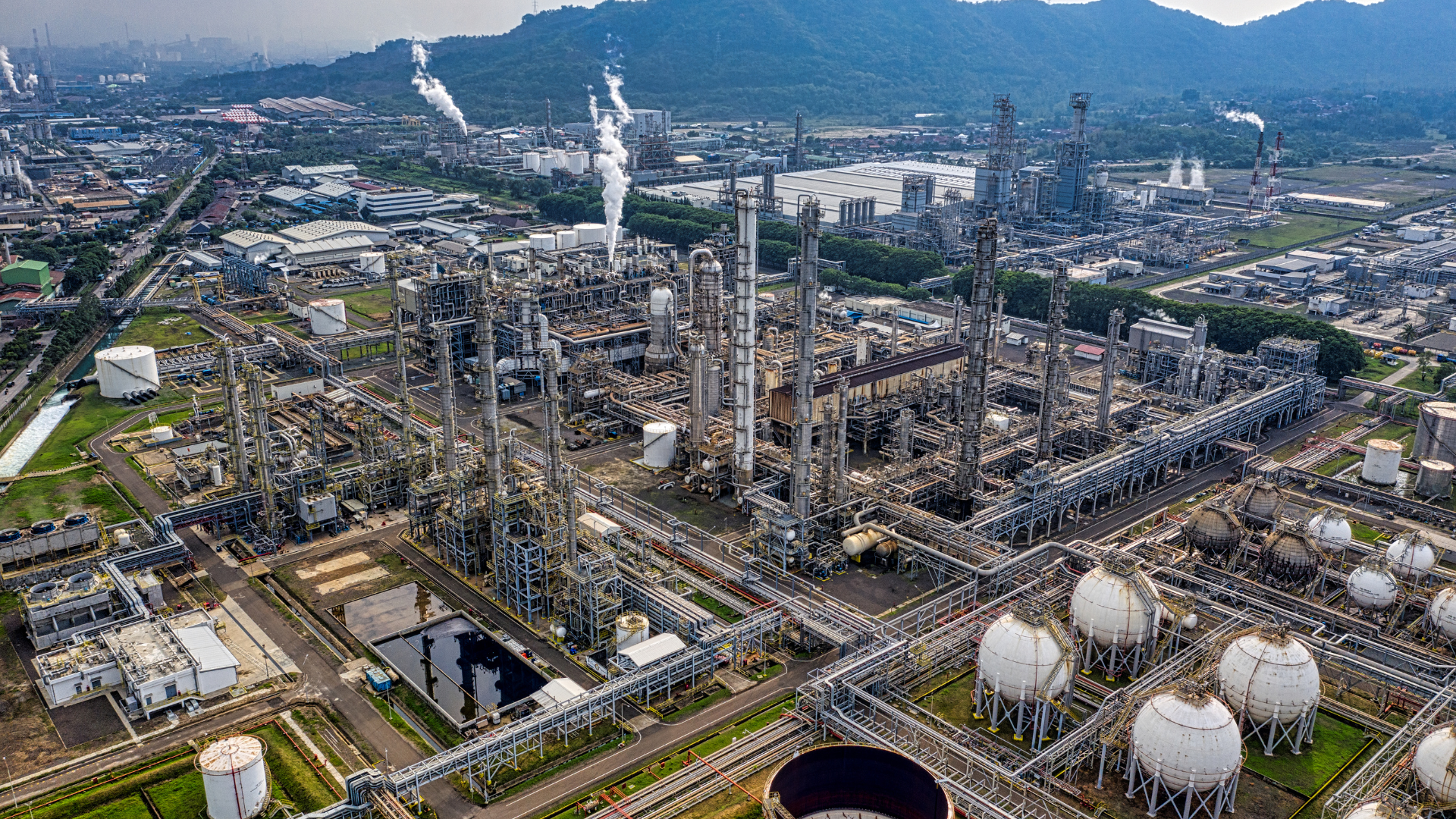
How Oil and Gas Companies Can Improve Operations and Stakeholder Communication with Automation
The oil and gas industry operates at a scale where precision, safety, and coordination are essential. From exploration and drilling to refining, distribution, and support services, every stage involves complex processes and multiple stakeholders. Employees, contractors, suppliers, regulators, and clients all rely on accurate information and timely communication to keep operations running smoothly.
Despite its technical sophistication, much of the industry still depends on manual communication. Emails, calls, spreadsheets, and messaging apps are used to coordinate field operations, approvals, safety updates, logistics, and reporting. When communication becomes scattered, delays increase, mistakes happen, and risks grow.
Automation helps oil and gas companies bring structure and clarity to communication-heavy operations without disrupting existing workflows. It supports consistency, transparency, and accountability across teams and partners.
Managing High-Volume Operational Communication
Oil and gas operations generate constant communication. Field teams report updates, suppliers confirm deliveries, contractors request approvals, and managers coordinate timelines. When this information flows through disconnected channels, it becomes difficult to track what has been shared and what still needs attention.
Automation helps centralize and organize this communication. Updates are acknowledged instantly, information is recorded properly, and follow-ups happen on time. Teams no longer rely on memory or scattered messages to keep operations aligned.
This structured approach reduces confusion and improves decision-making at every level.
Supporting Field Teams with Clear Updates
Field teams operate in challenging environments where clarity is critical. Whether it is schedule changes, equipment availability, safety instructions, or task updates, delayed or unclear communication can slow work or create safety risks.
Automation ensures that important updates reach the right people at the right time. Field personnel receive confirmations, instructions, and reminders without needing to chase information. This reduces uncertainty and helps teams stay focused on execution.
Clear communication improves both productivity and safety.
Improving Contractor and Vendor Coordination
Oil and gas companies often work with multiple contractors and vendors simultaneously. Each partner needs clear instructions, timelines, and documentation. Manual coordination increases the risk of misalignment, missed deadlines, or duplicated work.
Automation helps standardize how information is shared with external partners. Requests, confirmations, and updates follow a consistent format, making expectations clear. Contractors know what is required and when, reducing friction and delays.
This consistency strengthens partnerships and keeps projects moving smoothly.
Enhancing Safety and Compliance Communication
Safety and compliance are non-negotiable in the oil and gas industry. Policies, procedures, certifications, and incident reports must be communicated clearly and tracked properly.
Automation supports structured communication around safety guidelines and compliance requirements. Updates can be shared consistently, acknowledgments can be recorded, and reminders can be sent without manual effort. When incidents occur, reporting and updates follow a clear process.
This improves accountability and helps maintain regulatory standards.
Streamlining Approvals and Internal Coordination
Many oil and gas operations require multiple approvals before work proceeds. Budget confirmations, safety clearances, equipment use, and timeline changes all depend on timely authorization.
Automation helps manage approval communication by ensuring requests are delivered, acknowledged, and tracked. Decision-makers are notified promptly, and teams know where things stand without repeated follow-ups.
This reduces delays and keeps projects on schedule.
Logistics, Supply Chain, and Delivery Updates
The oil and gas supply chain is complex and time-sensitive. Delays in equipment, materials, or fuel deliveries can disrupt entire operations.
Automation helps communicate logistics updates clearly. Dispatch confirmations, delivery timelines, and delay notifications are shared automatically. Teams can plan accordingly instead of reacting to last-minute surprises.
Reliable logistics communication reduces downtime and operational stress.
Financial and Contractual Communication
Oil and gas businesses manage large contracts, recurring payments, and milestone-based billing. Miscommunication around invoices, payment timelines, or contract terms can strain relationships.
Automation supports clear and professional financial communication. Invoices, reminders, and confirmations are shared consistently, reducing disputes and improving transparency. Stakeholders always know where they stand financially.
This clarity supports long-term partnerships and financial stability.
Reducing Pressure on Operations and Administrative Teams
Operations and admin teams often spend significant time responding to routine queries and follow-ups. This limits their ability to focus on planning, risk management, and optimization.
Automation reduces repetitive communication by handling confirmations, updates, and routine responses. Teams can redirect their attention to higher-value tasks without compromising responsiveness.
This balance improves efficiency across the organization.
Building Trust Across Stakeholders
In the oil and gas industry, trust is built through reliability and transparency. Stakeholders need confidence that information is accurate and shared on time.
Automation helps maintain consistent communication standards regardless of scale or complexity. When updates are predictable and clear, confidence grows across teams, partners, and regulators.
Consistency becomes a competitive advantage.
ihakimi Features for Oil and Gas Businesses
ihakimi supports oil and gas companies by organizing communication across operations, teams, and external partners.
Centralized Multi-Channel Communication
ihakimi brings messages from emails, messaging platforms, portals, and websites into one organized system, ensuring operational communication is never lost.
Automated Operational Updates
ihakimi helps manage routine updates, confirmations, and follow-ups for field activities, approvals, and logistics, reducing manual workload.
Contractor and Vendor Communication Support
ihakimi enables structured communication with contractors and vendors, improving clarity and accountability across projects.
Safety and Compliance Communication
ihakimi supports consistent sharing of safety updates, compliance reminders, and incident communication.
Logistics and Supply Chain Updates
ihakimi helps coordinate dispatch notifications, delivery updates, and delay alerts, keeping teams aligned.
Internal Visibility and Coordination
Shared communication history allows operations, finance, and management teams to stay aligned and informed.
Wrapping It Up
Oil and gas companies operate in an environment where communication quality directly impacts safety, efficiency, and trust. Manual communication makes it difficult to maintain consistency as operations grow in scale and complexity.
Automation provides the structure needed to manage communication reliably without disrupting critical workflows. By reducing repetition and improving clarity, oil and gas businesses can focus on safe operations, timely delivery, and long-term sustainability.
Ready to See This in Action?
If you want to see how operational updates, contractor coordination, safety communication, and logistics tracking work inside ihakimi, check out the demo.